Bringing the Rainforest to Life: A Deep Dive into Tropical Sloth 3D Shadow Box Paper Cut Art
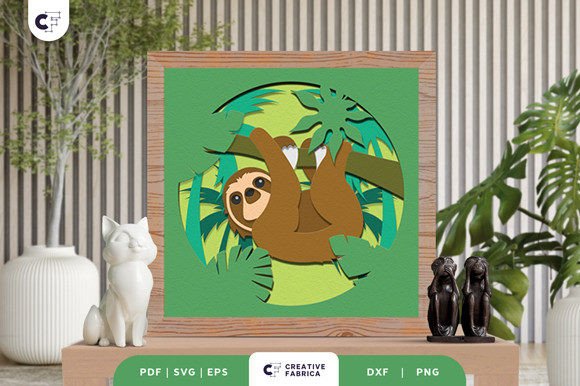
The intersection of digital precision and tactile artistry has revolutionized how creators approach home decor and educational displays. Among the most captivating trends in this space is the Tropical Sloth 3D Shadow Box Paper Cut. This specific design does more than merely depict an animal; it constructs a miniature ecosystem, portraying a cute sloth hanging on a tree branch with such intricate detail and realistic design that it transports the viewer right into the depths of a tropical rainforest. For hobbyists, educators, and professional designers alike, understanding the mechanics, materials, and artistic potential of this layered paper craft offers a gateway to creating stunning visual narratives.
The Architecture of Depth: Understanding Layered Design
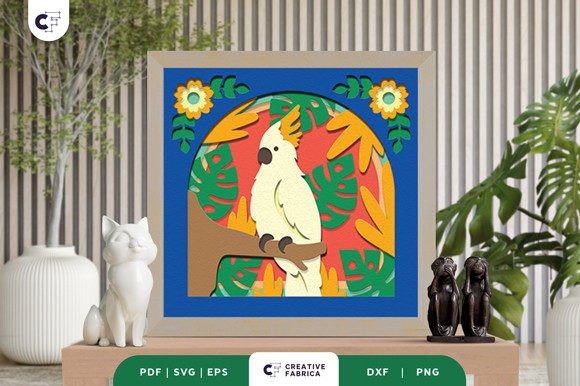
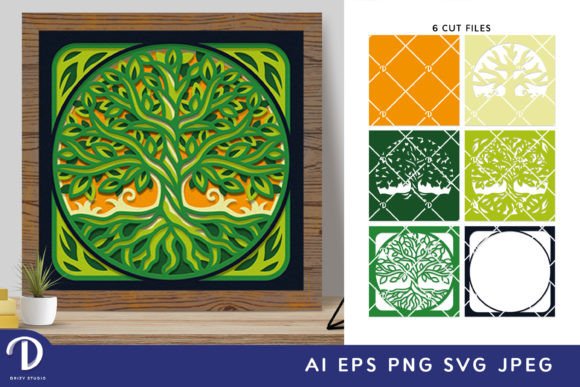
At the heart of any successful shadow box is the strategic manipulation of depth. The Tropical Sloth 3D Shadow Box Paper Cut utilizes a sophisticated arrangement of ten distinct layers to achieve its three-dimensional effect. Unlike flat illustrations, which rely solely on shading and perspective tricks to imply volume, this medium uses physical separation to cast real shadows and create parallax effects when viewed from different angles.
Each of the ten layers serves a specific function in the composition. The background layers typically establish the atmospheric perspective of the jungle, often featuring distant foliage or sky elements in lighter tones to simulate distance. As the layers progress forward, the details become sharper and the colors more saturated, culminating in the foreground where the sloth and the immediate branch reside. This gradation mimics the way human eyes perceive depth in nature, making the final piece feel remarkably immersive. The size of the project, measuring 20.32×20.32 cm, provides a compact yet impactful canvas that fits comfortably on a shelf or within a standard display case, making it versatile for various spatial constraints.
Digital Precision Meets Handcrafted Texture
The creation of such a detailed piece begins with digital files available in multiple formats, including SVG, PDF, EPS, PNG, and DXF. This variety ensures compatibility with a wide range of cutting machines, such as Cricut or Silhouette, catering to both novice crafters and seasoned professionals. The vector-based formats like SVG and EPS allow for infinite scalability without loss of quality, ensuring that the intricate lines defining the sloth's fur or the texture of the leaves remain crisp regardless of the machine's resolution.
However, the digital file is merely the blueprint. The true character of the Tropical Sloth 3D Shadow Box Paper Cut emerges through the selection of physical materials. The recommendation to use Encore Cardstock 80 lb cover (216 gsm) is not arbitrary; this weight is critical for structural integrity. Lighter papers may warp under the tension of adhesive or fail to hold their shape when suspended, while heavier boards might be too thick to layer effectively within a standard frame. The 80 lb cover stock strikes the perfect balance, offering enough rigidity to maintain the 3D structure while remaining pliable enough for clean cuts and easy assembly.
Workflow and Assembly Considerations
Constructing a multi-layered shadow box requires a methodical approach to ensure alignment and stability. The process generally begins with sorting the cut pieces by layer number. Because the design relies on the cumulative effect of all ten layers, even a slight misalignment in the early stages can compound, resulting in a skewed final image. Creators often use registration marks included in the DXF or SVG files to ensure perfect stacking.
The choice of adhesive is equally critical. Standard glue sticks or liquid adhesives can cause paper to buckle due to moisture content, ruining the flat surfaces required for a clean look. Instead, the use of 3D adhesive, such as foam double-sided tape, is essential. These spacers serve a dual purpose: they bond the layers securely and provide the necessary vertical distance to create the shadow effects that define the genre. The thickness of the foam tape can be adjusted based on the desired depth; thicker foam creates deeper shadows and a more dramatic pop, while thinner tape results in a subtler relief.
For those looking to enhance the visual impact, the integration of LED lights transforms the piece from a static image into a dynamic lightbox. When placed behind the rear-most layer, light filters through the cutouts and gaps between the paper layers, highlighting the textures of the jungle canopy and casting long, dramatic shadows from the sloth and branches. This addition is particularly effective for evening displays or retail environments where drawing the eye is paramount.
Material Selection and Color Theory
While the digital preview provides a guide, the physical reality of paper crafting introduces variables related to lighting and material finish. It is important to note that images seen online are for preview purposes only, and the actual final product color may slightly vary due to lighting sources and the specific paper color chosen. This variability is not a drawback but an opportunity for customization.
Experienced creators understand that paper has a grain and a specific light reflectivity. Matte finishes, like those found in high-quality cardstock shops, absorb light softly, enhancing the natural, organic feel of a rainforest scene. Glossy papers, conversely, might reflect artificial light harshly, detracting from the realism. By selecting specific shades of green, brown, and earth tones from a curated 12×12 Cardstock Shop, artists can tailor the mood of their Tropical Sloth 3D Shadow Box Paper Cut. A cooler palette might suggest a misty morning in the canopy, while warmer ochres and deep greens could evoke the golden hour sunlight filtering through the leaves.
Applications Across Diverse Fields
The utility of the Tropical Sloth 3D Shadow Box Paper Cut extends far beyond simple home decoration. Its unique blend of artistry and technical execution makes it a valuable asset in several professional and educational contexts.
- Educational Tools: In biology classrooms or nature centers, these shadow boxes serve as engaging teaching aids. They allow students to visualize the habitat of the sloth, understanding concepts like camouflage, canopy layers, and biodiversity in a tangible way. The layered construction can be used to demonstrate how different species occupy different niches within the same environment.
- Therapeutic Environments: Hospitals, waiting rooms, and therapy offices often utilize nature-themed art to reduce anxiety and promote calmness. The gentle imagery of a sloth, combined with the soothing complexity of the forest layers, creates a focal point that encourages mindfulness and relaxation.
- Retail and Hospitality Decor: Boutiques, cafes, and eco-friendly brands can use these installations to reinforce their brand identity. A custom-framed shadow box signals attention to detail and an appreciation for craftsmanship, enhancing the customer experience without the permanence of a mural.
- Gift Giving and Personalization: For hobbyists, the ability to customize colors and framing options makes this an ideal personalized gift. Whether for a wildlife enthusiast, a new parent decorating a nursery, or a traveler reminiscing about a trip to the tropics, the piece carries emotional resonance.
Technical Challenges and Solutions
Despite the availability of precise digital files, creators may encounter challenges during the production phase. One common issue is "weeding," or removing the excess paper from intricate cuts. With ten layers of detailed foliage and fur patterns, small islands of paper can be difficult to lift without tearing. Using a high-quality mat with appropriate tackiness and sharp, fresh blades in the cutting machine mitigates this risk. Additionally, the order of assembly matters; starting from the background and working forward allows the creator to check alignment at every step, rather than trying to force layers together at the end.
Framing also presents considerations. While an optional decorative frame enhances the presentation, the depth of the frame must accommodate the total height of the ten layers plus the adhesive spacers. A standard photo frame may be too shallow, crushing the 3D effect. Shadow box frames with deeper profiles are specifically designed for this purpose, providing the necessary clearance to preserve the integrity of the design.
The Broader Impact of Digital Craft Files
The availability of the Sloth in The Jungle 3D SVG in multiple formats democratizes access to high-level design. Previously, creating such a complex layered scene would require advanced drafting skills and hours of manual cutting. Today, the convergence of affordable cutting technology and professionally designed digital assets allows individuals to produce gallery-quality work. This shift empowers small business owners to create inventory for craft fairs, enables teachers to produce durable classroom resources, and allows researchers to create visual models for presentations.
Furthermore, the open nature of these file formats encourages iteration. A designer might take the base SVG, modify the leaf shapes to represent a different region, or adjust the scale for a larger wall installation. This flexibility fosters a community of practice where techniques are shared, and the baseline design evolves through collective creativity.
Final Thoughts on Execution and Aesthetics
Ultimately, the success of a Tropical Sloth 3D Shadow Box Paper Cut lies in the harmony between the digital template and the physical execution. The ten layers provide the skeleton, but the choice of cardstock, the precision of the cut, and the care taken in assembly breathe life into the piece. Whether illuminated by LEDs to mimic dappled sunlight or displayed in natural light to showcase the interplay of shadows, this art form captures the serene beauty of nature.
By enjoying the beauty of nature and wildlife anywhere you want with the Sloth in The Jungle 3D SVG, creators are not just assembling paper; they are curating an experience. The result is a testament to the enduring appeal of the natural world, rendered through the modern lens of digital fabrication. As technology continues to refine the tools available to makers, projects like this stand as a reminder that the most compelling art often combines the highest tech with the most fundamental materials—paper, light, and the timeless image of a sloth in its element.