Choosing the Right Daffodil Paper Flower Template for Your Crafting Needs
Bringing the vibrancy of spring indoors does not always require a green thumb or a sunny windowsill. For crafters and DIY enthusiasts, paper flowers offer a permanent solution to seasonal decor, allowing for creativity that transcends the limitations of real botany. Among the various options available to hobbyists, the daffodil paper flower stands out as a particularly rewarding project due to its iconic shape and cheerful color palette. However, not all templates are created equal. When evaluating resources for your next project, understanding the specific attributes of a design—such as the one offered by Arielle Elise Design—is crucial for determining if it aligns with your skill level, equipment, and aesthetic goals.
Understanding the Distinctiveness of Modern Paper Flower Templates
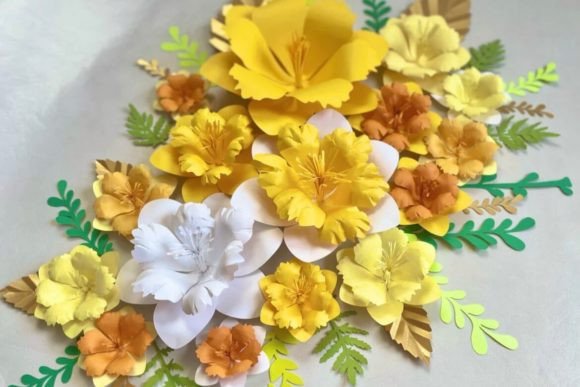
The landscape of digital crafting files has evolved significantly. Early iterations of paper flower patterns were often simplistic, resulting in flat, two-dimensional representations that lacked the depth of real blooms. A high-quality daffodil paper flower template distinguishes itself through complexity and attention to botanical detail. The design by Arielle Elise Design, for instance, moves beyond basic cutouts by incorporating eight distinct sets of petals. This layering is essential for mimicking the natural ruffle and volume found in living daffodils.
What makes this approach distinct is the focus on texture. Many generic templates produce stiff, uniform petals that look obviously artificial. In contrast, advanced designs encourage techniques to create a "wrinkled" or organic look. This is often achieved through specific cutting instructions or assembly methods detailed in accompanying tutorials. When researching options, look for templates that prioritize these textural elements, as they are the primary factor in elevating a craft project from a child's school assignment to sophisticated home decor.
Evaluating Compatibility and Technical Requirements
Before downloading any SVG file, it is vital to assess compatibility with your existing hardware. The market is split between manual crafters who cut by hand and those utilizing electronic cutting machines. The daffodil paper flower template discussed here is specifically optimized for machines like Cricut and Silhouette. This distinction is important because machine-cut files require precise vector paths to ensure clean edges without tearing delicate paper.
If you do not own a cutting machine, this specific type of resource may present a barrier to entry. While it is theoretically possible to print and hand-cut SVG designs, the intricate curves and small details of an 8-petal daffodil can be tedious and imprecise without automated assistance. Conversely, for users with compatible devices, the workflow is streamlined: download the SVG, upload it to your design software, and adjust measurements. This digital-first approach offers a significant advantage in consistency, ensuring that every flower in your bouquet is identical in shape, which is difficult to achieve with hand-cutting.
The Importance of Scalability in Design
Versatility is a key metric when comparing paper flower resources. Some templates are rigid, offering only a single size option. This limitation can restrict a crafter's ability to create dynamic arrangements. A superior template provides a range of sizes to allow for depth and variation in the final display. The Arielle Elise Design template excels in this area by offering eight different size options, ranging from a modest 3.5 inches to a substantial 11 inches.
This scalability serves multiple purposes:
- Small scales (3.5" – 5"): Ideal for embellishing greeting cards, gift tags, or creating delicate boutonnieres where space is limited.
- Medium scales (6.5" – 8"): Perfect for standard wreaths, table centerpieces, or wall art clusters.
- Large scales (9" – 11"): Best suited for statement pieces, such as large-scale nursery decor, event backdrops, or photo props.
When evaluating alternatives, consider whether the template allows you to mix these sizes seamlessly. A cohesive design system ensures that the petal proportions remain accurate regardless of the scale, preventing the "stretched" look that occurs when a small design is simply enlarged without adjusting the structural ratios.
Assembly Complexity and Learning Resources
The gap between a digital file and a finished flower is bridged by the assembly process. This is often where beginners struggle. A common trade-off in the world of paper crafting is between design realism and ease of assembly. Highly realistic flowers often require complex folding, gluing, and shaping techniques. Therefore, the availability of instructional support is a critical decision factor.
The inclusion of a dedicated video tutorial with the daffodil paper flower template significantly lowers the learning curve. Written instructions can be ambiguous when describing how to curl a petal or where to apply adhesive for the best hold. Video content allows users to visualize the tension needed to create the signature wrinkled look of the daffodil. For those comparing products, the presence of multimedia support often indicates a more user-friendly experience, reducing the frustration of trial and error.
However, even with a tutorial, users must be prepared for the time investment. Assembling a single large daffodil with eight petal sets is not an instantaneous task. It requires patience and a steady hand. If your goal is to produce hundreds of flowers for a wedding venue in a single weekend, you must calculate the assembly time per unit. In such high-volume scenarios, a simpler, less detailed template might be a more pragmatic choice, sacrificing some realism for speed.
Decision Factors: Is This the Right Choice for You?
Selecting the appropriate crafting resource depends heavily on your specific objectives and constraints. To help you decide if this daffodil paper flower template is the right fit, consider the following scenarios:
Choose this template if:
- You own a Cricut, Silhouette, or similar cutting machine and are comfortable using design software.
- You prioritize realism and detail over speed of production.
- You need a variety of sizes for a multi-dimensional project, such as a layered wall installation.
- You are willing to watch a tutorial and spend time on careful assembly to achieve a professional finish.
Consider alternative options if:
- You prefer hand-cutting projects and do not have access to electronic die-cutting machines.
- You are looking for a quick, 15-minute craft activity rather than a detailed project.
- Your budget does not allow for purchasing premium designer templates, and free, simpler alternatives suffice for your needs.
- You require a stylized or abstract look rather than a botanically accurate representation.
Practical Applications and Long-Term Value
Once assembled, the utility of paper daffodils extends far beyond temporary decoration. Unlike fresh flowers that wilt within days, a well-crafted paper bloom can last for years if kept out of direct sunlight and moisture. This durability makes them an excellent investment for permanent home decor, such as filling a vase in a windowless hallway or adding color to a bathroom where humidity might damage real plants.
Furthermore, the ability to customize colors is a distinct advantage of the paper medium. While traditional daffodils are yellow and white, a paper template allows you to experiment with pastels, metallics, or even monochromatic themes to match specific interior design schemes. This flexibility is something fresh flora cannot offer. Whether used for a spring-themed party, a thoughtful handmade gift, or a year-round accent piece, the value lies in the customization and longevity of the final product.
In conclusion, the daffodil paper flower template by Arielle Elise Design represents a robust option for crafters seeking a balance between realism and digital convenience. Its strength lies in its detailed layering, scalable sizing, and supportive instructional materials. However, it is not a universal solution; it demands specific tools and a willingness to engage in detailed assembly. By weighing these factors against your personal crafting style and project requirements, you can make an informed decision that ensures your creative efforts yield beautiful, lasting results.